

Many people want to improve their health, reduce their weight, or gain muscle, but they are unsure of how to create an effective exercise regimen. One of the best strategies to keep consistency and achieve your fitness objectives is to follow an organized exercise program. We’ll go over how to start an exercise regimen from scratch, how to pick the best exercises, and how to create a plan that is simple to follow even if you’re a novice.
Why Create a Workout Program Rather Than “Random Workouts”?
Making a fitness regimen provides you with:
- Motivation and clear direction
- Better outcomes in less time
- Strength, cardio, and mobility training in balance
- decreased chance of burnout or injury
Exercising at random can be enjoyable, but adhering to a schedule will help you advance more quickly.

Step 1: Set Clear Fitness Goals
Before building a beginner workout plan, think about your main goal. Popular fitness goals include:
- Weight loss
- Muscle growth
- Better cardio health
- Increased flexibility
- General wellness and energy
Choosing a primary goal shapes the rest of your plan and prevents frustration.
Step 2: Select the Frequency and Time of Exercise
Intensity is not as important as consistency. Adherence is enhanced by a reasonable schedule.
Recommendations:
- Beginners: two to three sessions per week
- Intermediate: three to five sessions per week
- Exercises lasting 10 to 20 minutes are still beneficial for busy schedules.
Particularly for long-term weight loss or strength building, brief workouts are preferable to none at all.

Step 3: Select the Appropriate Exercise Programs (Balanced Fitness Plan)
Three components are usually included in a well-rounded exercise program:
Exercise for Strength
improves body composition, boosts metabolism, and adds muscle. Among the options are:
- Bodyweight exercises (squats, push-ups)
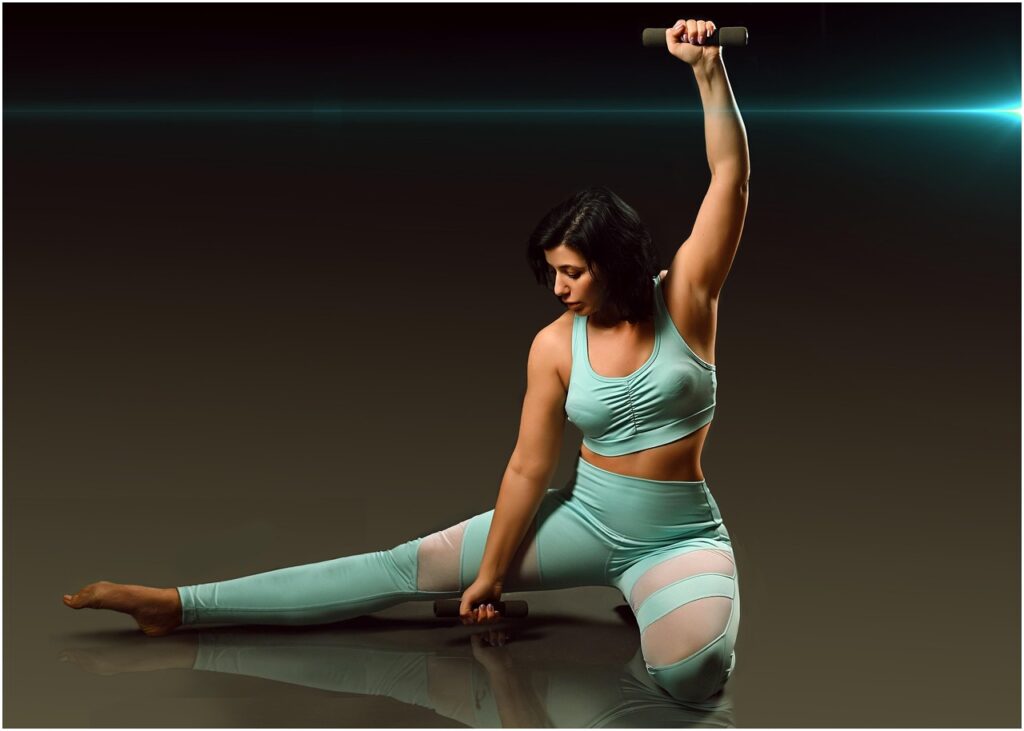
- Resistance bands or dumbbells
- Free weights or exercise equipment
Perfect for gaining muscle and losing fat.
Cardio / Conditioning
Supports heart health and endurance.
Examples:
- Running, cycling, rowing
- Brisk walking
- Jump rope
- HIIT (High-Intensity Interval Training)
Flexibility & Mobility
Improves range of motion and reduces injury risk.
- Yoga
- Stretching
- Mobility drills
Balanced routines prevent plateaus and overuse injuries.

Step 4: Sample Beginner Exercise Plans (Templates)
Plan for General Health
- Monday: 30 minutes of strength
- Wednesday: 30 minutes of cardio
- Friday: 30 minutes of strength
Plan with a Weight Loss Focus
- Tuesday: 20 minutes of HIIT
- Thursday: Upper Body Strength
- Saturday: 30 to 45 minutes of cardio
- Walking or light stretching every day
Plan for Gaining Muscle
- Monday: Strength in the Upper Body
- Wednesday: Strength in the Lower Body
- Friday: Complete Body Power
- Sunday: Stretching and Mobility
These exercises can be done at home or at the gym.
Step 5: Track Progress & Adjust for Results
Tracking helps you learn what works. You can measure:
- Weights, reps, or sets
- Running pace or distance
- Body measurements or photos
- Step count (10,000/day is a common goal)
If results slow down, increase weight, time, reps, or frequency gradually.
Step 6: Give Nutrition and Recovery First Priority
Particularly for strength training, rest is an essential component of training.
Fundamentals of recovery:
- Take a 48-hour break in between intense strength training sessions.
- Get 7–9 hours of sleep every night.
- Drink plenty of water.
Nutrition is also important:
- Protein + calorie deficit = weight loss
- Gaining muscle equals surplus calories plus protein.
- Balanced meals for overall health
Common Mistakes When Creating a Workout Plan
Avoid:
❌ Doing only cardio or only strength
❌ Overtraining without recovery
❌ Skipping warm-ups
❌ Expecting fast results
Fitness is a long-term habit, not a shortcut.
FAQ
Q1: How long does it take to see results from an exercise plan?
Most beginners see noticeable changes in 4–8 weeks with consistency.
Q2: Should beginners start with strength or cardio?
A mix works best. However, strength training improves fat loss and metabolism over time.
Q3: Can I build an exercise plan at home?
Yes. Bodyweight exercises and basic equipment (bands, dumbbells) are effective for beginners.
Q4: How often should I change my workout plan?
Every 6–8 weeks or when progress stalls.
It is not necessary to have advanced fitness knowledge to create an exercise regimen. Set realistic workout schedules, pick enjoyable exercises, and start with your goals. Your health, vitality, self-assurance, and performance will all improve with consistency. If you want to improve your health, check out the following articles!…