

In 2026, losing weight won’t involve starving yourself, cutting out whole food groups, or adhering to drastic social media challenges. The current strategy emphasizes gut health, muscle preservation, hormone balance, metabolic health, and long-term sustainability.
This thorough guide will help you find the best diet plan for losing weight in 2026.
- The science behind losing weight
- How to safely induce a calorie deficit
- The optimal ratio of macronutrients
- A complete sample seven-day meal plan
- Typical errors to avoid
- Long-term tactics to sustain outcomes
Now let’s get started.
Why Most Diets Fail (And What’s Different in 2026)
Traditional weight loss plans often fail because they rely on:
- Severe calorie restriction
- Eliminating carbohydrates completely
- Liquid detoxes
- Over-exercising
- Unsustainable rules
These methods may lead to short-term weight loss but often cause:
- Muscle loss
- Slower metabolism
- Hormonal imbalance
- Increased cravings
- Rapid weight regain
In 2026, experts emphasize fat loss instead of weight loss. The goal is to reduce body fat while preserving muscle and maintaining metabolic health.
The Foundation of the Best Diet Plan for Weight Loss in 2026
1. Moderate Calorie Deficit (The Golden Rule)
Weight loss happens when your body burns more calories than you consume.
However, extreme calorie cuts can slow metabolism and increase hunger hormones.
Ideal Calorie Deficit:
- Reduce 300–500 calories per day
- Aim to lose 0.5–1 kg (1–2 lbs) per week
- Maintain at least 1,200–1,500 calories daily (depending on body size and gender)
This approach protects your muscle mass and keeps energy stable.

2. High-Protein Diet: The 2026 Fat-Loss Essential
Protein is the most important macronutrient for fat loss.
Benefits of High Protein Intake:
- Preserves lean muscle
- Increases metabolism (thermic effect)
- Reduces hunger
- Stabilizes blood sugar
- Improves recovery
Recommended Intake:
1.6–2.2 grams per kilogram of body weight per day.
For example:
- 70 kg person → 112–154g protein daily
Best Protein Sources:
- Eggs
- Greek yogurt
- Chicken breast
- Turkey
- Lean beef
- Salmon
- Tuna
- Tofu
- Lentils
- Protein smoothies
Protein should be included in every meal.

Balanced Macronutrient Ratio (40/30/30 Method)
One of the most effective structures in 2026 is:
- 40% Carbohydrates
- 30% Protein
- 30% Healthy Fats
This balance supports:
- Energy levels
- Hormonal health
- Muscle retention
- Satiety
Healthy Carbohydrates:
- Brown rice
- Oats
- Quinoa
- Sweet potatoes
- Whole wheat bread
- Fruits
- Vegetables
Avoid refined carbs like white bread, pastries, and sugary snacks.
Healthy Fats:
- Avocados
- Olive oil
- Almonds
- Walnuts
- Chia seeds
- Fatty fish
Healthy fats help regulate hormones and keep you full.
The Importance of Fiber for Weight Loss
Fiber is often overlooked but extremely powerful.
Benefits of Fiber:
- Improves digestion
- Reduces hunger
- Supports gut health
- Controls blood sugar
- Reduces belly fat risk
Daily Target:
- 25–35 grams per day.
- High-Fiber Foods:
- Broccoli
- Spinach
- Beans
- Lentils
- Chia seeds
- Oats
- Apples
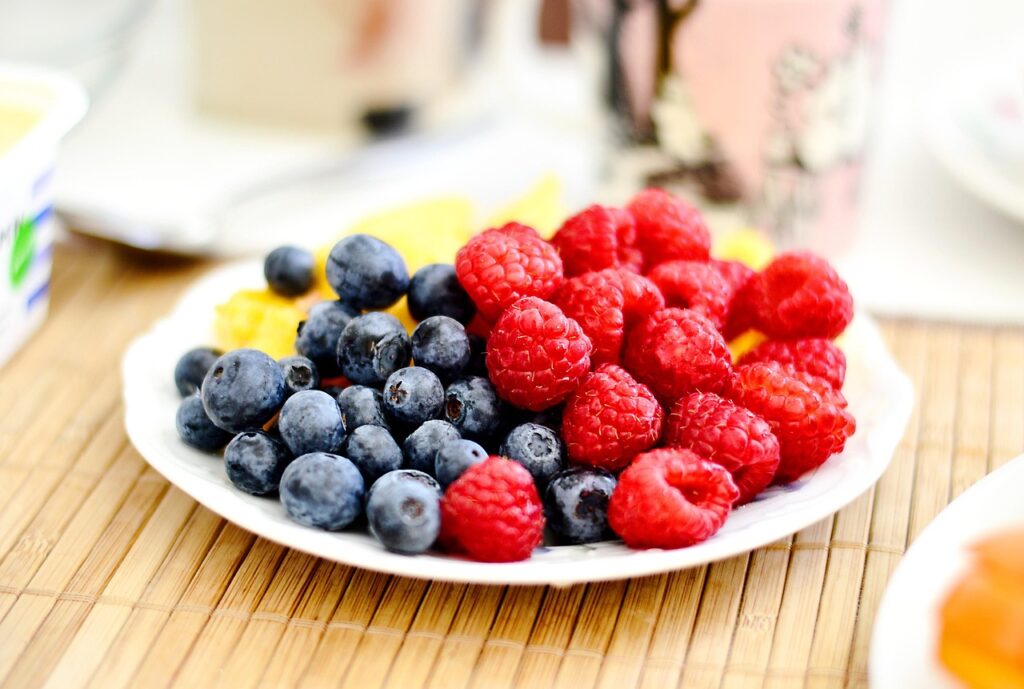
- Berries
A high-fiber diet is one of the biggest trends in 2026.
Intermittent Fasting: Is It Necessary?
Intermittent fasting remains popular in 2026, but it’s optional.
Common Method:
16:8 fasting (16 hours fasting, 8-hour eating window)
Potential Benefits:
- Reduced calorie intake
- Improved insulin sensitivity
- Increased fat burning
However, fat loss ultimately depends on calorie control, not meal timing.
If fasting makes you overeat later, it may not be ideal for you.
Sample 7-Day Diet Plan for Weight Loss in 2026
Here’s a balanced example:
Day 1
Breakfast:
Oatmeal with blueberries and almonds
Lunch:
Grilled chicken salad with olive oil
Dinner:
Salmon with steamed broccoli and brown rice
Snack:
Greek yogurt
Day 2
Breakfast:
Scrambled eggs with spinach
Lunch:
Quinoa bowl with tofu and vegetables
Dinner:
Lean beef stir-fry
Snack:
Apple with peanut butter
Day 3
Breakfast:
Protein smoothie with banana
Lunch:
Tuna salad
Dinner:
Grilled chicken with sweet potato
Snack:
Handful of nuts
(Continue rotating lean protein, whole grains, and vegetables for the remaining days.)
Hydration and Weight Loss
Water plays a crucial role in fat metabolism.
Recommendations:
- 2–3 liters of water daily
- Replace soda with water
- Drink water before meals to reduce overeating
Green tea and black coffee (without sugar) can also support metabolism.
The Role of Strength Training in 2026
Diet alone can help you lose weight.
But diet + strength training helps you lose fat.
Why Strength Training Matters:
- Preserves muscle mass
- Boosts metabolism
- Improves body shape
- Prevents loose skin
Weekly Plan:
- 3–4 days strength training
- 2–3 days cardio
- 8,000–10,000 steps daily
Muscle burns more calories at rest.
Gut Health and Weight Loss
2026 nutrition emphasizes gut microbiome health.
Poor gut health can cause:
- Bloating
- Cravings
- Inflammation
- Slow metabolism
Improve Gut Health With:
- Yogurt
- Kefir
- Kimchi
- Sauerkraut
- High-fiber vegetables
A healthy gut improves digestion and weight control.
Sleep and Stress Management
Lack of sleep increases hunger hormones (ghrelin) and reduces fat-burning hormones.
Target:
7–9 hours of quality sleep per night.
Stress increases cortisol, which promotes belly fat storage.
Practice:
- Meditation
- Walking
- Deep breathing
- Reducing screen time before bed
Foods to Avoid for Faster Fat Loss
Limit:
- Sugary beverages
- Ultra-processed snacks
- Fried fast food
- Excess alcohol
- Artificial sweetened desserts
These foods increase calorie intake without improving satiety.
Common Weight Loss Mistakes in 2026
- Skipping meals
- Cutting carbs completely
- Overtraining
- Ignoring protein
- Not tracking calories
- Expecting results in 2 weeks
Fat loss requires patience and consistency.
How Long Does It Take to See Results?
Healthy fat loss timeline:
- Week 1–2: Water weight loss
- Week 3–6: Visible body changes
- 3 months: Significant fat reduction
- 6+ months: Sustainable transformation
Consistency beats speed.
Sustainable Habits for Long-Term Success
The best diet plan for weight loss in 2026 is not temporary.
Focus on:
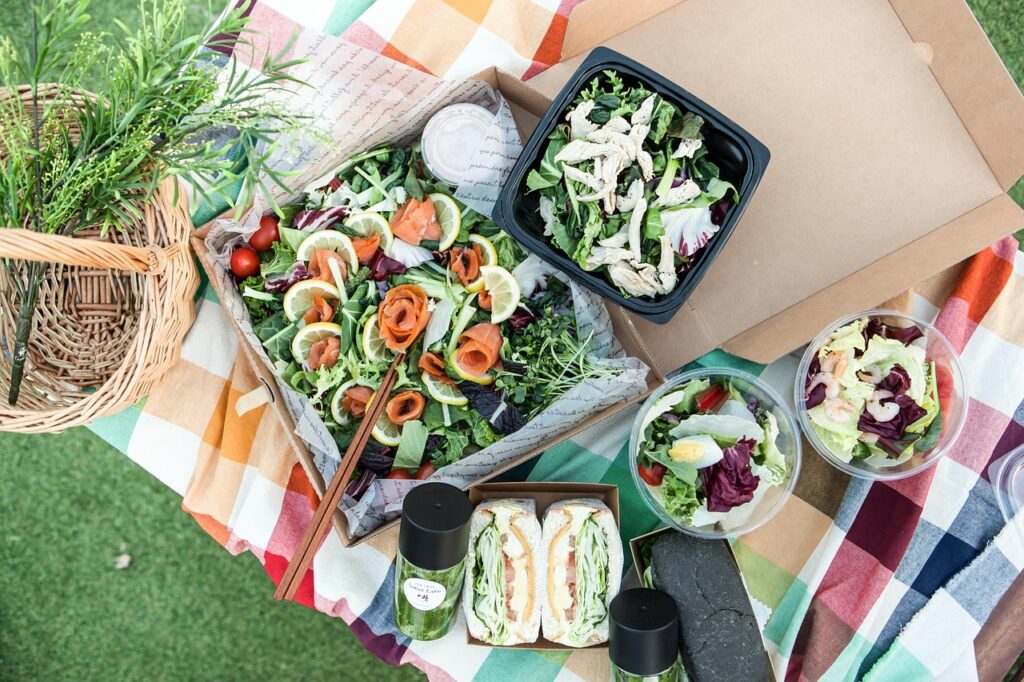
- Meal planning
- Grocery shopping with intention
- Cooking at home
- Mindful eating
- Weekly progress tracking
Avoid “cheat days” — instead practice balanced flexibility.
Personalization: The Future of Dieting
In 2026, personalization is key.
Consider:
- Your activity level
- Food preferences
- Allergies
- Lifestyle
- Cultural eating patterns
There is no universal perfect diet — only the one you can maintain.
Frequently Asked Questions (FAQ)
What is the best diet for weight loss in 2026?
A high-protein, moderate-calorie, whole-food-based diet with balanced macronutrients.
Can I lose weight without exercise?
Yes, but combining diet with strength training improves fat loss and body composition.
How much protein do I need?
1.6–2.2g per kilogram of body weight daily.
Is keto still effective in 2026?
Keto works for some people, but balanced diets are more sustainable long-term.
Final Thoughts: The Real Secret to Weight Loss in 2026
The best diet plan for weight loss in 2026 is:
✔ Moderate calorie deficit
✔ High protein
✔ Whole foods
✔ Strength training
✔ Good sleep
✔ Consistency
There is no magic pill.
There is no overnight transformation.
There is only discipline, smart strategy, and long-term commitment. If you follow these principles consistently for 3–6 months, your body will change not just temporarily, but permanently.
Below are some other articles that may be important to you!!!!