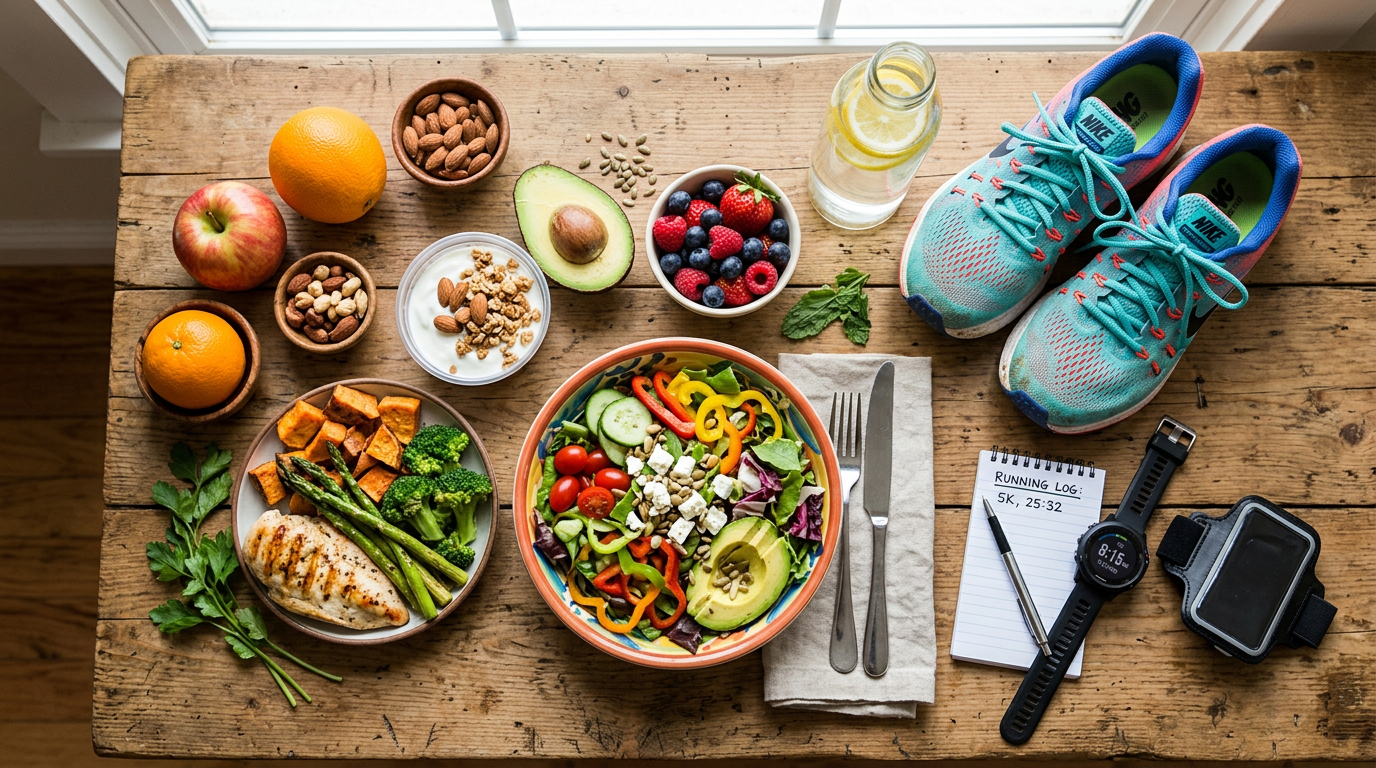

It can be intimidating to begin a weight loss journey, especially with so many diets, exercise regimens, and contradictory online advice. The good news is that strict diets and long gym sessions are not necessary for effective weight loss. Rather, it begins with modest, long-lasting lifestyle adjustments that enhance your general health.
Whether your objective is to drastically change your lifestyle or lose ten pounds, this guide will assist you in developing healthy habits that produce long-lasting effects.
Why Start a Weight Loss Journey?
Weight loss isn’t just about appearance. Maintaining a healthy weight can improve many aspects of your life, including:
- Better heart health
- Lower risk of diabetes
- Increased energy
- Improved sleep quality
- Better mental health
- Reduced joint pain
- Increased confidence
- Longer lifespan
The key is focusing on improving your health rather than chasing quick results.
Step 1: Set Realistic Weight Loss Goals
One of the biggest mistakes beginners make is expecting rapid results.
Instead of saying:
“I want to lose 50 pounds.”
Try:
- Lose 1–2 pounds per week.
- Walk 30 minutes daily.
- Drink more water.
- Cook healthy meals at home.
SMART goals are:
- Specific
- Measurable
- Achievable
- Relevant
- Time-based
Small wins build confidence and long-term success.
Step 2: Know Your Starting Point
Before making changes, understand where you currently stand.
Record:
- Current weight
- Waist measurement
- Body fat percentage (if possible)
- Daily eating habits
- Physical activity level
Take progress photos to compare over time. Sometimes changes in your body are more noticeable than changes on the scale.
Step 3: Improve Your Diet
Nutrition plays the biggest role in healthy weight loss.
Focus on eating:
Lean Protein
Protein keeps you full longer and helps preserve muscle.
Examples include:
- Chicken breast
- Fish
- Eggs
- Greek yogurt
- Tofu
- Lentils
- Beans
Fruits and Vegetables
Aim to fill half your plate with colorful fruits and vegetables.
They provide:
- Fiber
- Vitamins
- Minerals
- Antioxidants
Whole Grains
Choose:
- Brown rice
- Oats
- Quinoa
- Whole wheat bread
- Sweet potatoes
These digest more slowly than refined grains.
Healthy Fats
Healthy fats support hormone balance and keep you satisfied.
Examples:
- Avocados
- Olive oil
- Nuts
- Seeds
- Salmon
Step 4: Reduce Processed Foods
Highly processed foods are often high in calories while providing little nutrition.
Limit:
- Sugary drinks
- Candy
- Fast food
- Chips
- Pastries
- Processed snacks
Instead, prepare more meals at home using fresh ingredients.
Step 5: Control Portion Sizes
Even healthy foods can contribute to weight gain if eaten in large amounts.
Helpful tips:
- Use smaller plates.
- Eat slowly.
- Avoid eating while watching TV.
- Stop eating when comfortably full.
- Measure portions when starting out.
Mindful eating helps prevent overeating.
Step 6: Drink More Water
Water supports metabolism and can help reduce unnecessary snacking.
Aim for:
- 8–10 glasses daily
- More if you’re physically active or in a hot climate
Sometimes thirst is mistaken for hunger. Try drinking a glass of water before meals.

Step 7: Create an Exercise Routine
Exercise burns calories while improving strength, fitness, and overall health.
Beginners can start with:
Walking
Walking is one of the easiest and most effective forms of exercise.
Goal:
- 30–45 minutes
- 5 days per week
Strength Training
Building muscle increases your resting metabolism.
Start with:
- Bodyweight squats
- Push-ups
- Lunges
- Dumbbell exercises
- Resistance bands
Aim for two to three sessions per week.
Cardio
Examples include:
- Cycling
- Swimming
- Jogging
- Dancing
- Jump rope
Choose activities you enjoy to stay consistent.
Step 8: Sleep Enough
Poor sleep can increase hunger hormones and reduce energy levels.
Adults should aim for:
- 7–9 hours of quality sleep every night.
Good sleep supports better food choices and exercise performance.

Step 9: Manage Stress
Stress often leads to emotional eating.
Healthy stress-management techniques include:
- Meditation
- Deep breathing
- Yoga
- Walking outdoors
- Reading
- Journaling
- Talking with friends
Managing stress supports healthier eating habits.
Step 10: Track Your Progress
Tracking keeps you accountable and motivated.
Monitor:
- Weight
- Measurements
- Progress photos
- Workouts
- Daily food intake
- Water consumption
Remember that progress isn’t always linear.
Focus on long-term trends rather than day-to-day changes

Common Weight Loss Mistakes
Avoid these common pitfalls:
- Skipping meals
- Following extreme diets
- Drinking sugary beverages
- Ignoring strength training
- Not eating enough protein
- Expecting overnight results
- Giving up after setbacks
Consistency is far more effective than perfection.
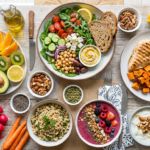
Healthy Foods for Weight Loss
Some nutrient-dense foods include:
- Eggs
- Chicken breast
- Turkey
- Salmon
- Greek yogurt
- Cottage cheese
- Oats
- Brown rice
- Sweet potatoes
- Spinach
- Broccoli
- Apples
- Berries
- Avocados
- Almonds
- Chia seeds
These foods can help you feel satisfied while supporting your nutrition goals.
Sample One-Day Weight Loss Meal Plan
Breakfast
- Oatmeal with berries
- Boiled eggs
- Green tea
Snack
- Apple
- Handful of almonds
Lunch
- Grilled chicken
- Brown rice
- Mixed vegetables
Snack
- Greek yogurt
Dinner
- Baked salmon
- Steamed broccoli
- Sweet potato
Evening
- Herbal tea
This balanced plan includes protein, fiber, healthy fats, and complex carbohydrates.
How to Maintain Your Motivation
Healthy habits keep you going even when your motivation wanes.
Try these tactics:
- Honor minor accomplishments.
- Find a partner to work out with.
- Make meals ahead of time.
- Have wholesome snacks on hand.
- Keep up with motivational fitness groups.
- Prioritize your health over perfection.
- Give yourself non-food rewards, like new exercise equipment or a soothing pastime.
Developing healthier habits that you can sustain over time is the first step in starting a weight loss journey. Prioritize a healthy diet, regular exercise, restful sleep, stress reduction, and consistency over chasing quick fixes. You get closer to your objectives with each healthy decision you make, whether it’s making a nutritious meal, going for a walk, or drinking more water.
Recall that losing weight sustainably is a journey rather than a race. Be patient, acknowledge your accomplishments, and make a commitment to forming long-term health-promoting behaviors.
Read the other articles –
- 10 Healthy Eating Habits for Beginners
- Best Diet Plan for Weight Loss in 2026
- How to Lose Weight Naturally at Home: A Complete Beginner’s Guide



[…] 10 Steps to Sustainable Weight Loss Success […]