
Healthy eating does not mean following a strict diet or giving up your favorite foods. It is about creating simple habits that improve your energy, health, and overall lifestyle. For beginners, small daily changes can lead to long-term results. By choosing balanced meals and eating mindfully, you can build a healthier relationship with food.
In this article, we will explore 10 healthy eating habits for beginners that are easy to follow and effective for improving your well-being.
1. Start Your Day with a Healthy Breakfast
Breakfast is one of the most important meals of the day. A healthy breakfast provides energy, improves concentration, and helps control hunger throughout the day.
- Oatmeal with fruits
- Whole-grain toast with eggs
- Yogurt with nuts and berries
- Smoothies with banana and spinach
Eating breakfast can also reduce unhealthy snacking later in the day.

2. Drink More Water
Staying hydrated is essential for good health. Water helps digestion, improves skin health, and supports body functions.
- Carry a reusable water bottle
- Drink a glass of water before meals
- Replace sugary drinks with water
- Add lemon or cucumber for flavor
Many people confuse thirst with hunger, which can lead to overeating.

3. Eat More Fruits and Vegetables
Fruits and vegetables are rich in vitamins, minerals, antioxidants, and fiber. They support immunity and improve digestion.
Easy Ways to Add More Vegetables
- Include salad with meals
- Add vegetables to soups and rice dishes
- Snack on fruits instead of chips
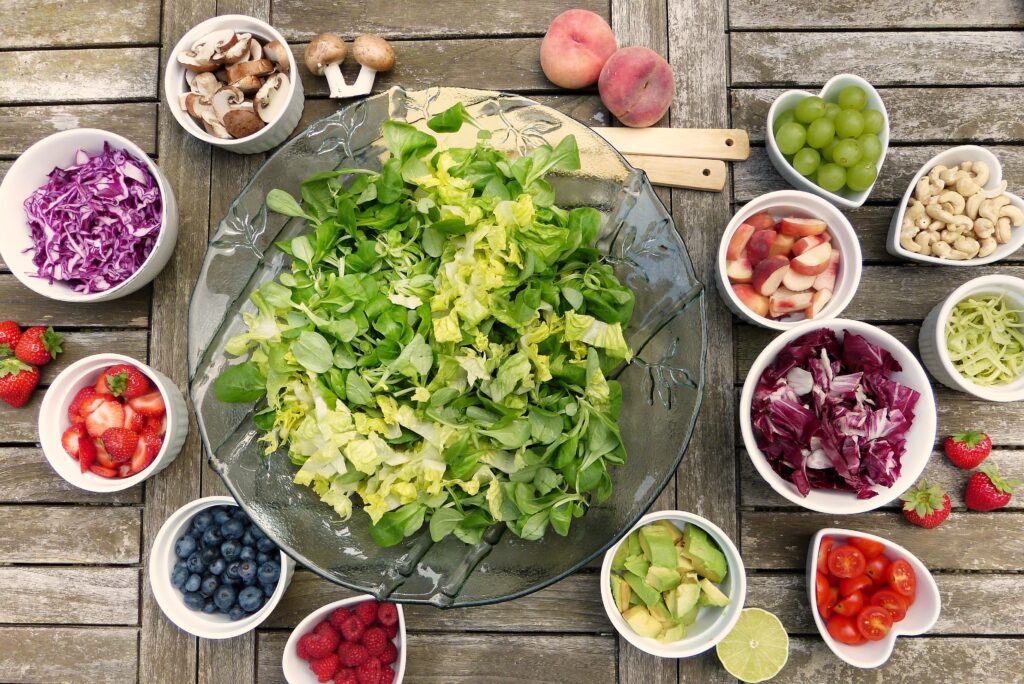
- Make colorful plates with different vegetables
Aim for at least five servings of fruits and vegetables daily.
4. Control Portion Sizes
Eating healthy foods is important, but portion control also matters. Large portions can lead to excess calorie intake.
Portion Control Tips
- Use smaller plates
- Eat slowly
- Avoid eating directly from packages
- Listen to your body’s hunger signals
Mindful eating helps prevent overeating and improves digestion.
5. Choose Whole Grains
Whole grains contain more nutrients and fiber compared to refined grains. They help maintain steady energy levels and support heart health.
Healthy Whole Grain Options
- Brown rice
- Whole wheat bread
- Oats
- Quinoa
- Whole grain pasta
Switching to whole grains is a simple step toward a healthier diet.

6. Reduce Sugar Intake
Too much sugar can increase the risk of obesity, diabetes, and heart disease. Many processed foods and drinks contain hidden sugars.
Ways to Reduce Sugar
- Avoid sugary soft drinks
- Choose unsweetened snacks
- Read food labels carefully
- Eat fresh fruits instead of sweets
Gradually reducing sugar helps your taste buds adjust naturally.
7. Include Protein in Every Meal
Protein is important for muscle growth, repair, and keeping you full longer.
- Eggs
- Fish
- Chicken breast
- Beans and lentils
- Tofu
- Greek yogurt
Balanced meals with protein can help reduce unhealthy cravings.
8. Avoid Processed Foods
Processed foods often contain excess salt, sugar, and unhealthy fats. Eating too many processed foods may negatively affect your health.
Examples of Processed Foods to Limit
- Fast food
- Chips
- Instant noodles
- Sugary cereals
- Packaged snacks
Instead, focus on fresh and natural foods whenever possible.

9. Practice Mindful Eating
Mindful eating means paying attention to what and how you eat. It helps improve digestion and prevents emotional eating.
Mindful Eating Tips
- Eat without distractions
- Chew food slowly
- Enjoy the flavor and texture
- Stop eating when satisfied
This habit can improve your relationship with food and reduce overeating.
10. Plan Your Meals
Meal planning helps you make healthier choices and avoid unhealthy last-minute meals.
Benefits of Meal Planning
- Saves time and money
- Reduces fast-food consumption
- Helps maintain balanced nutrition
- Prevents unhealthy snacking
Preparing meals in advance can make healthy eating easier for beginners.
Benefits of Healthy Eating Habits
Developing healthy eating habits can provide many long-term benefits, including:
- Better energy levels
- Improved digestion
- Healthy weight management
- Stronger immune system
- Better mental focus
- Reduced risk of chronic diseases
Healthy eating is not about perfection. Consistency and balance are the keys to success.

Final Thoughts
Starting a healthy eating journey can feel challenging at first, but small changes make a big difference over time. Begin with one or two habits and gradually build a healthier lifestyle. Eating nutritious foods, staying hydrated, and practicing mindful eating can improve both physical and mental health.
Remember, healthy eating is a lifelong habit, not a temporary diet. Start today and enjoy the benefits of a healthier future.
You can also read our articles below and gain knowledge.